Multi-level smart charging
Company overview
GreenFlux is a B2B provider of smart e-mobility platform solutions, helping operators manage and scale EV charging networks.
Problem statement
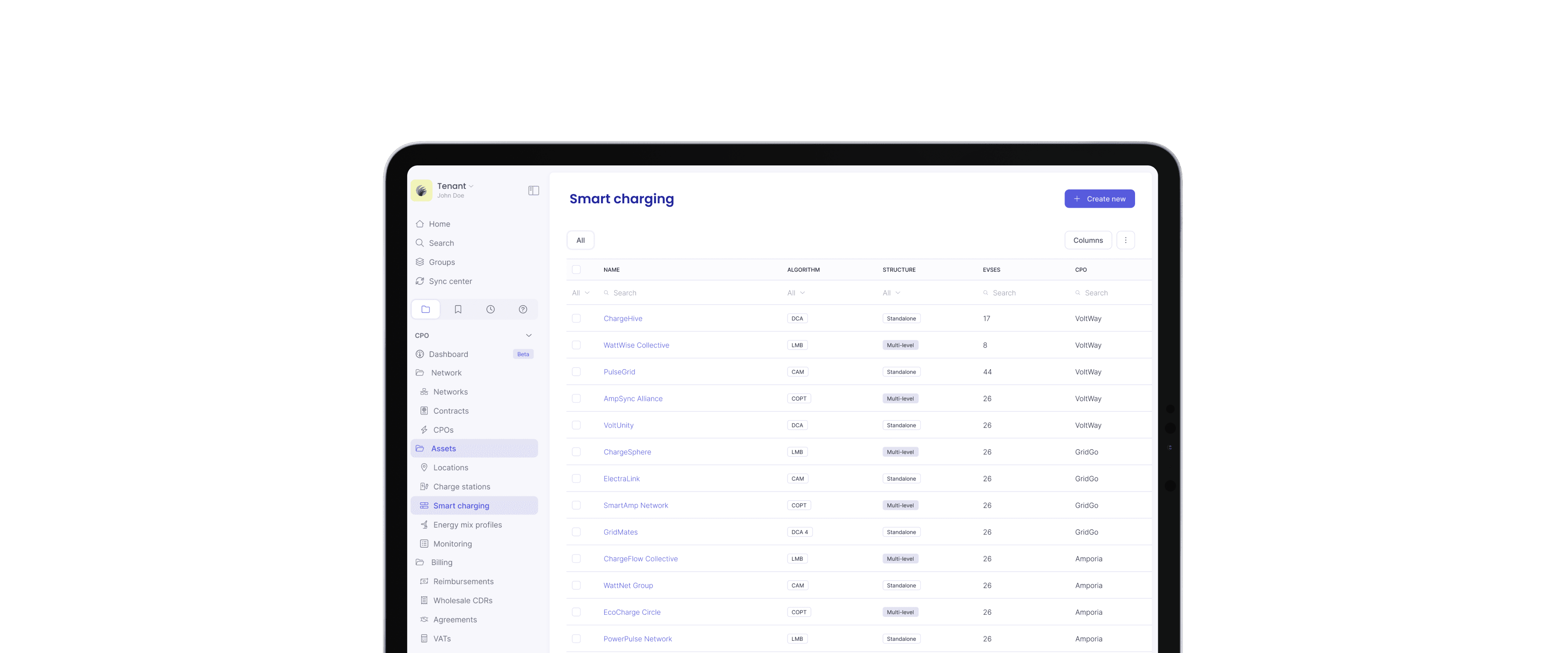
The existing smart charging functionality only supports one-level grouping, limiting flexibility for customers with complex organisational structures.
My role
I was responsible for user research, workshop facilitation, prototyping, usability testing, and design handover.
Design process
Understand
I organised a workshop with the my team to:
Understand the current system limitations.
Map customer needs to technical possibilities.
Prioritise features for the first release.
Outcome
System limitations documented
A clear understanding of current system gaps, constraints, and dependencies is established and shared with stakeholders.
Customer needs aligned with capabilities
Customer requirements are translated into actionable technical possibilities, ensuring feasibility and value alignment.
Prioritised feature set defined
A prioritised list of features for the first release is created, balancing customer impact, technical complexity, and delivery timelines.
Decision on the approach
We agreed to start with an MVP version to deliver customer value quickly. To accelerate development, we decided to reuse existing components from our Storybook library rather than building custom UI elements at this stage.
Prototype (MVP)
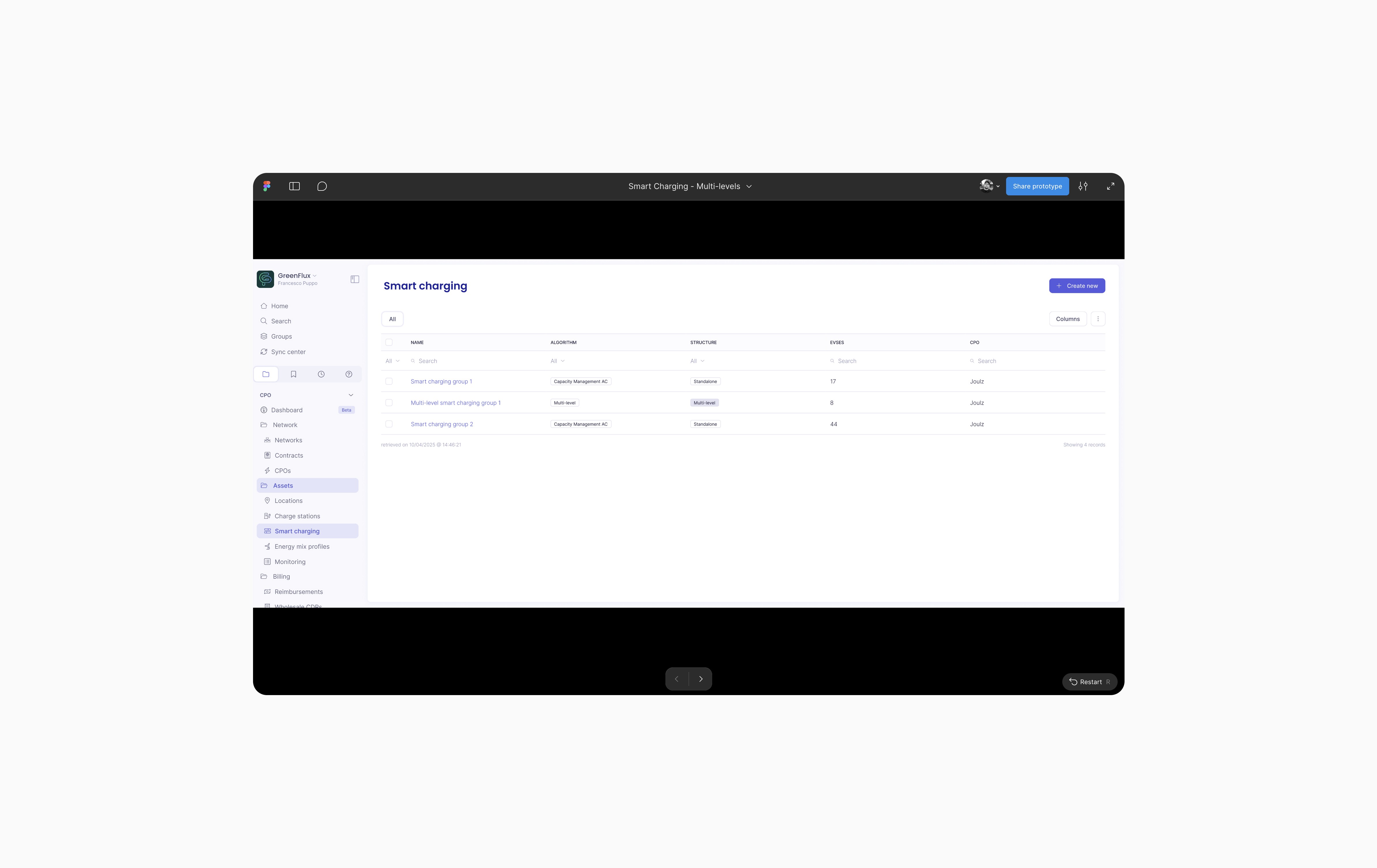
Using insights from the workshop, I created an MVP prototype in Figma to produce realistic, interactive designs. This allowed us to test flows that looked and felt like a real product without committing development resources too early.
Onsite usability testing (MVP)
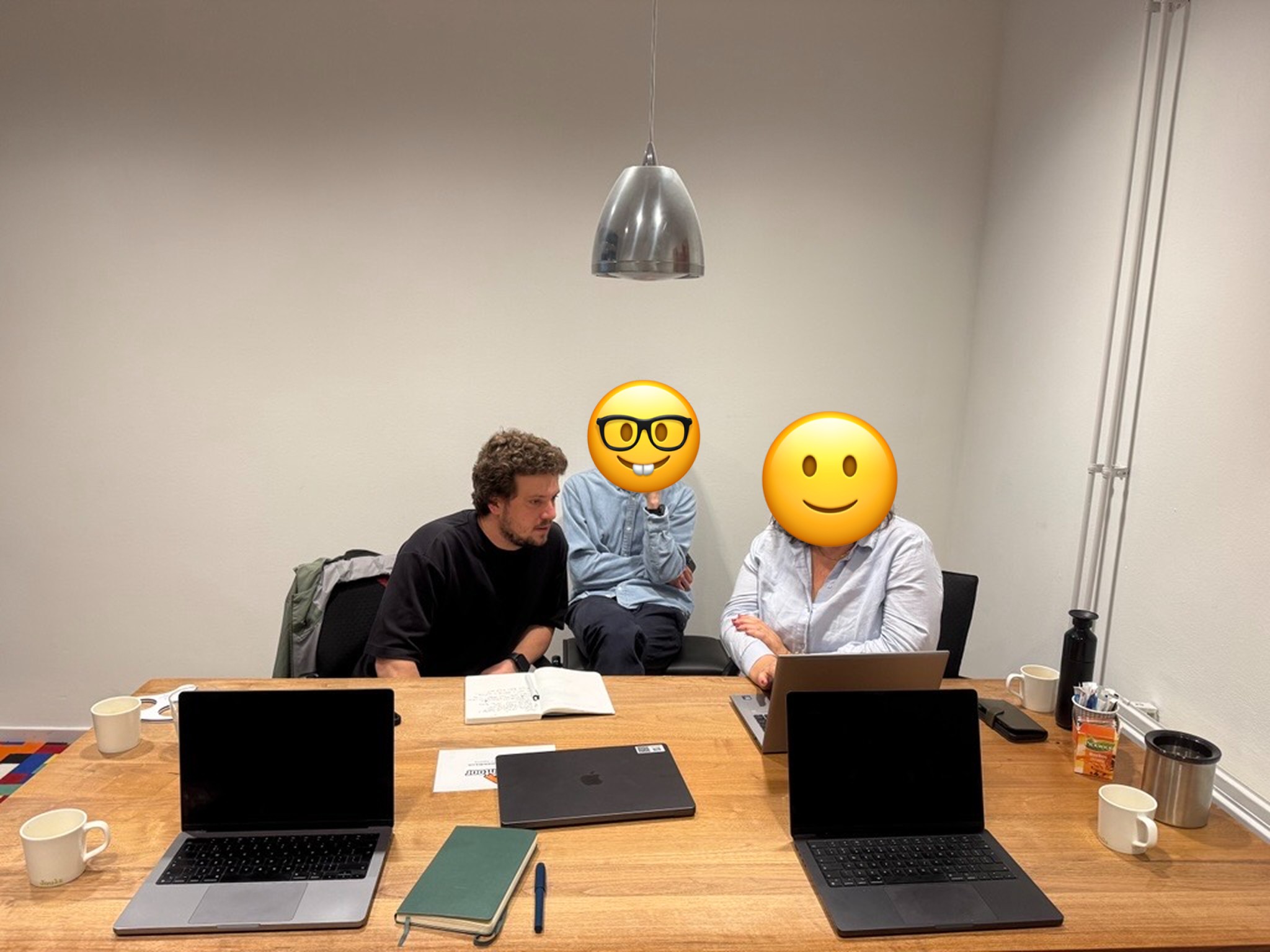
Since some of our customers are based in the Netherlands, we were able to conduct onsite usability tests at their offices.
Outcome
Customers clearly understood the new multi-level concept and appreciated the added flexibility. Feedback was shared with the team and informed small design adjustments before development began.
Handover to developers (MVP)
After incorporating feedback, I prepared the final MVP designs and specifications for developer handover. This included interaction details, component usage guidelines, and edge-case handling.
Post-MVP planning
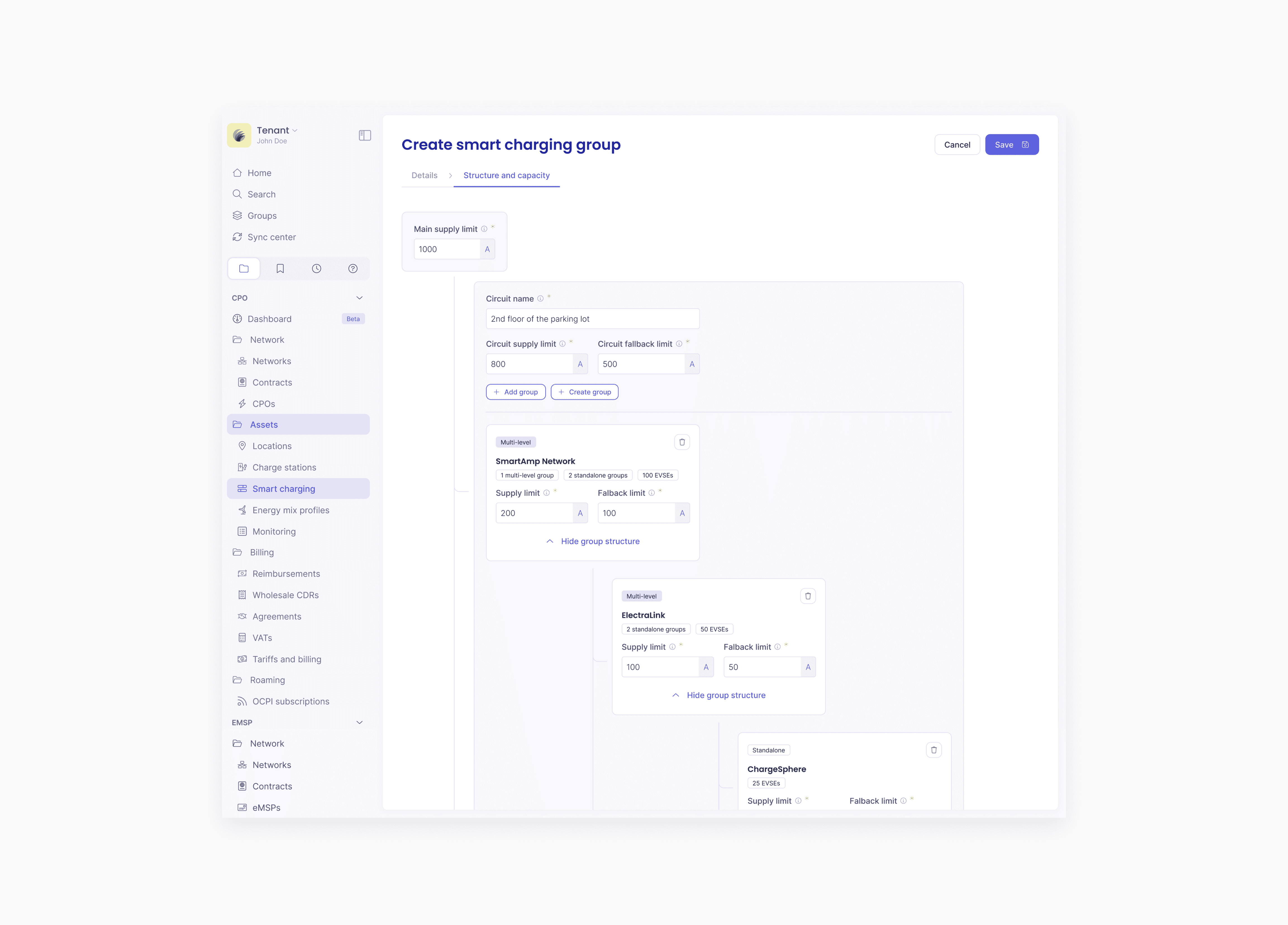
With the MVP underway, I began designing the Post-MVP version, which would include a custom UI and more complex structural management for multi-level charging groups. This stage aimed to address long-term usability and scalability needs.
Crazy 8 workshop (Post-MVP)
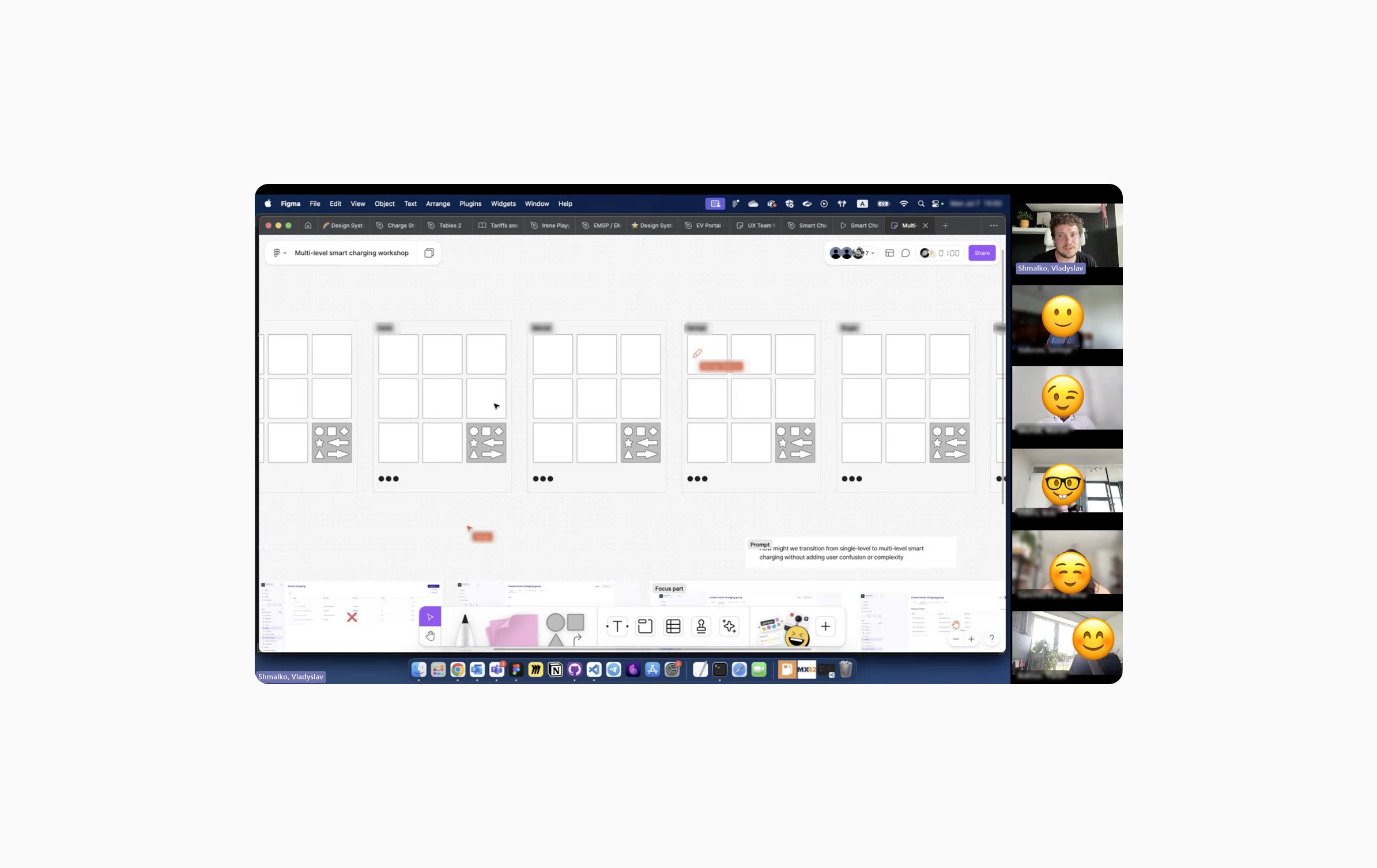
To kick off the Post-MVP phase, I organised a Crazy 8 ideation workshop where all team members rapidly sketched potential solutions. We then discussed the concepts, grouped similar ideas, and voted on the most promising approaches to take forward for prototyping.
Outcome
Generated a wide variety of potential interaction and UI patterns for managing complex multi-level groups.
Built cross-team alignment on priorities before investing in design and development.
Selected a concept that balanced scalability, ease of use, and technical feasibility.
Increased team ownership and enthusiasm for the feature by involving everyone early.
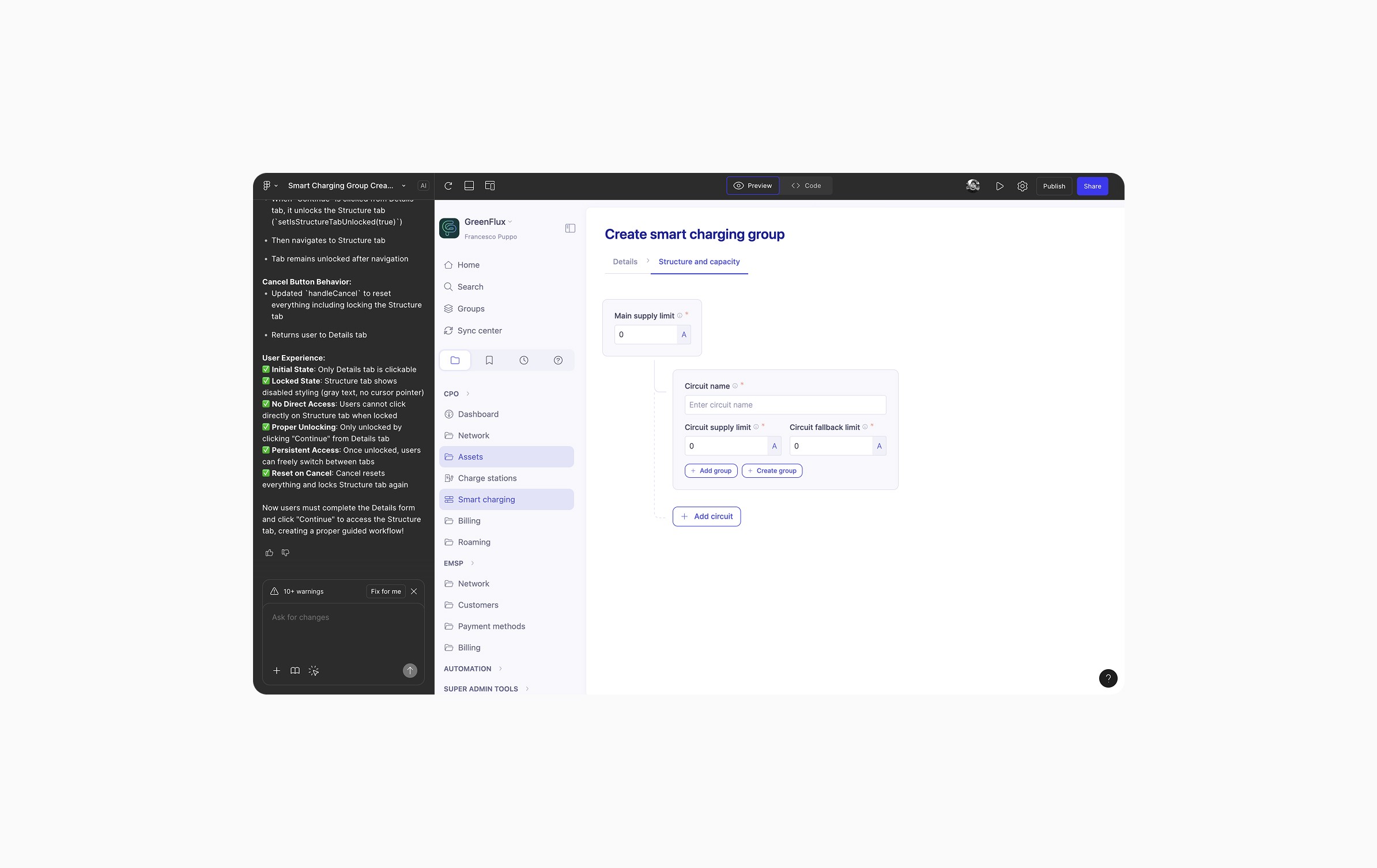
Prototype in Figma Make (Post-MVP)
Using the selected ideas, I built a new prototype in Figma Make with AI enhancements for a highly realistic, interactive experience. This enabled us to test advanced functionality with customers early in the process.
Onsite usability testing (Post-MVP)
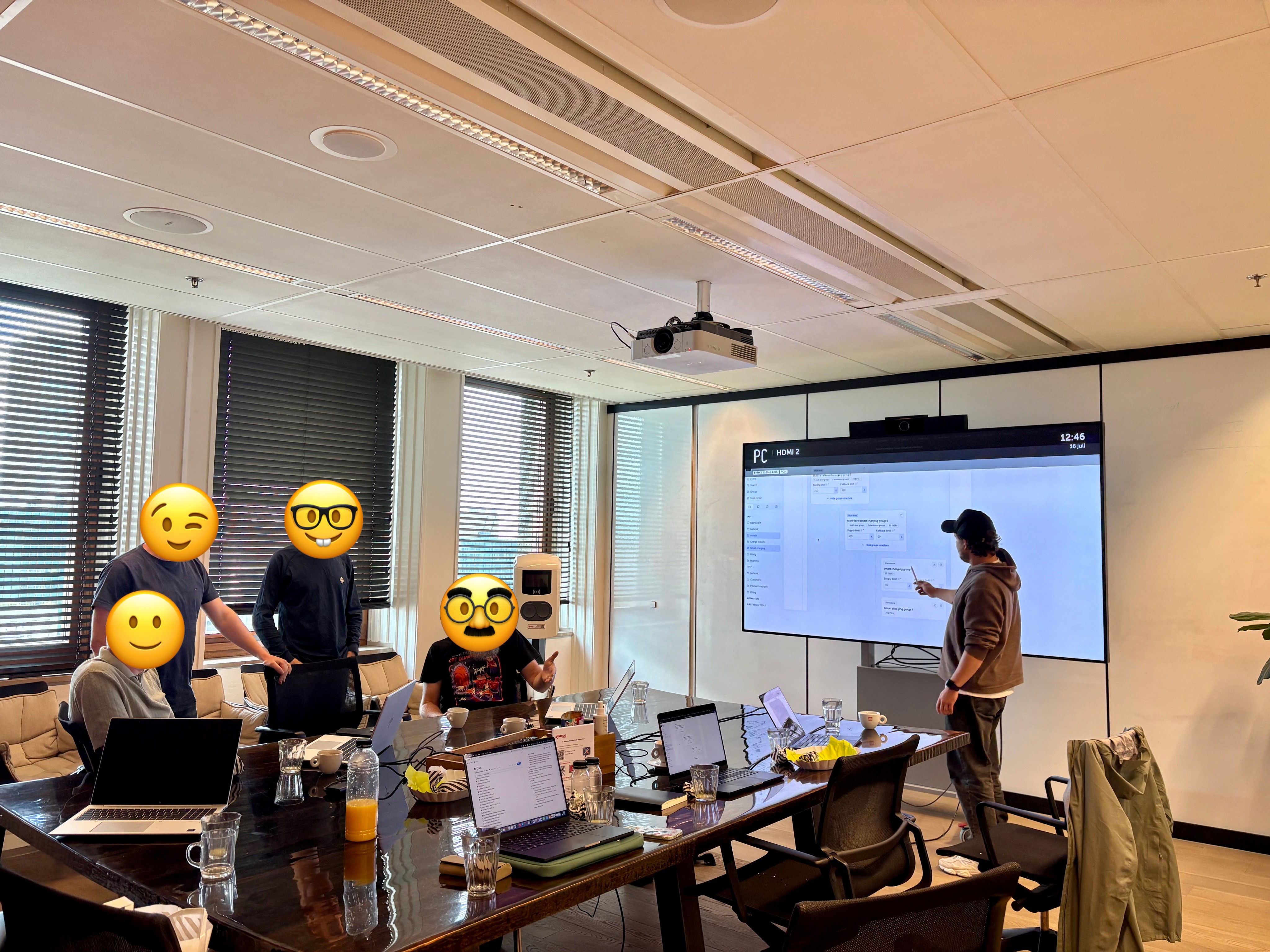
We revisited our another customers for another round of onsite testing.
Outcome
Feedback confirmed that the new features improved clarity, navigation, and operational control for large-scale networks. This validated our design direction and gave developers confidence to proceed.
Handover to developers (Post-MVP)
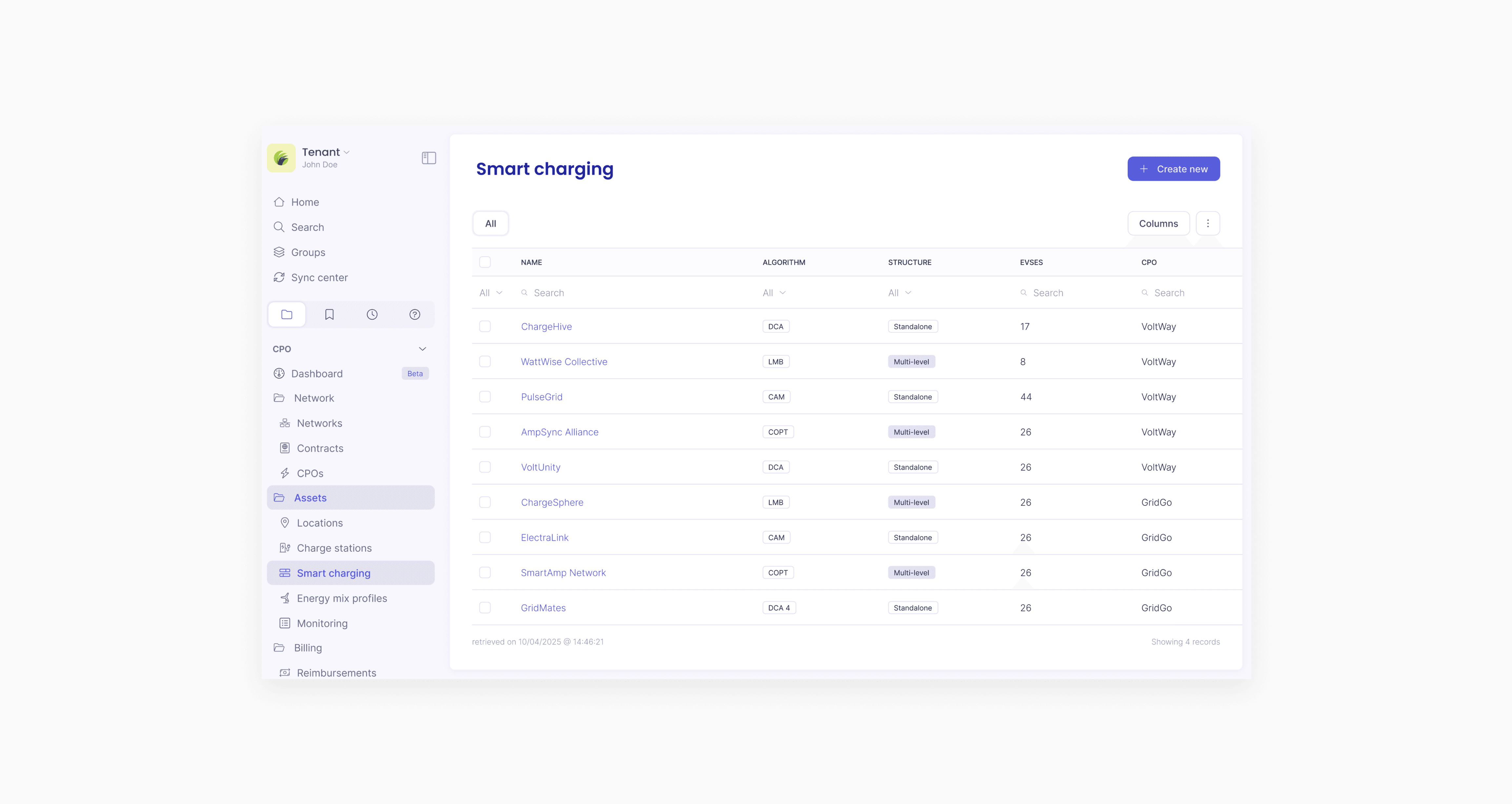
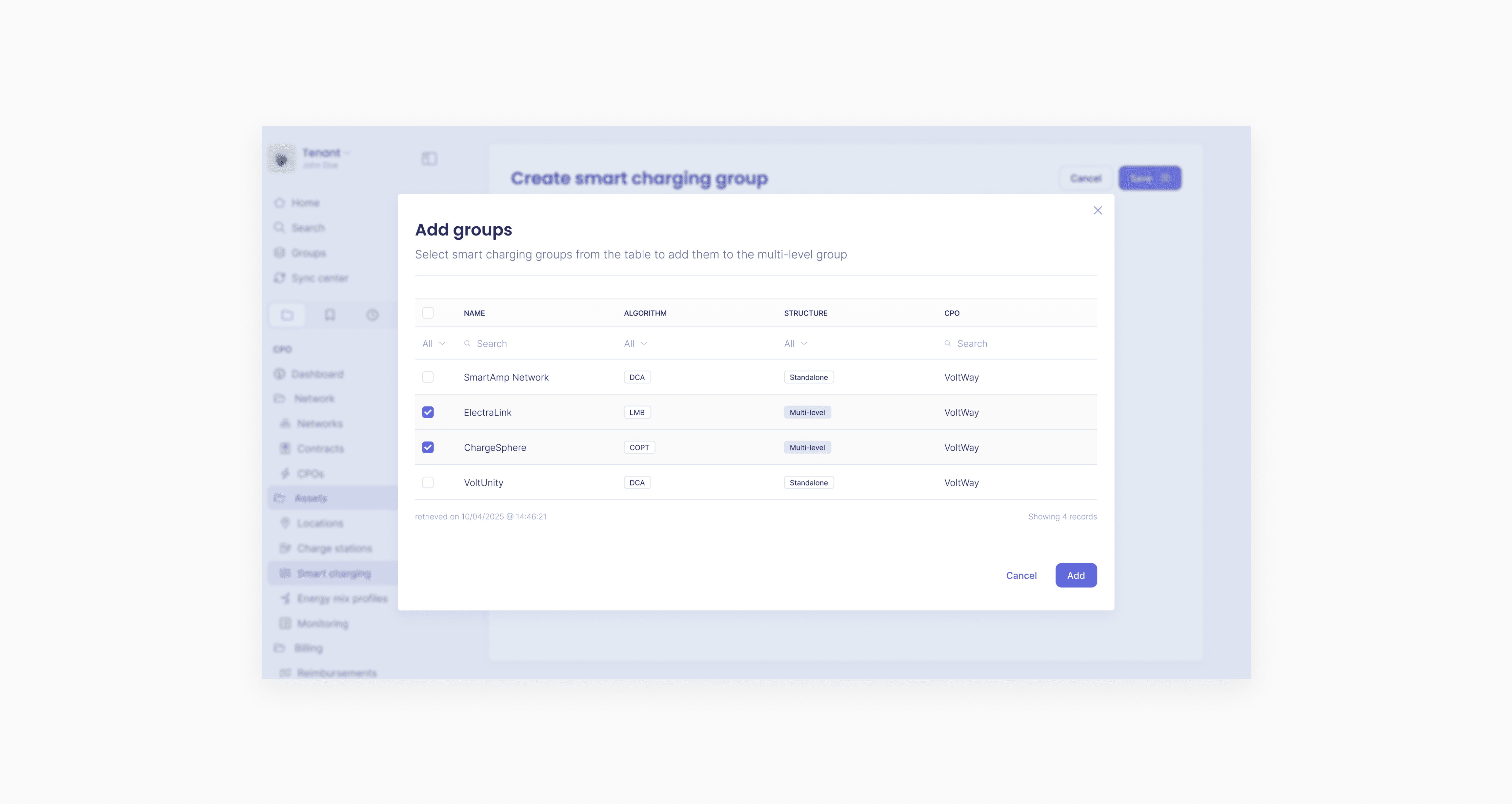
I finalised the Post-MVP designs, including documentation for custom components, interaction patterns, and system logic, then handed them over to the development team for implementation.
Final design
Outcomes of the project
Problem solved:
We enabled operators to manage multi-level smart charging groups, reducing operational complexity for large-scale EV networks.
Achievements:
Delivered an MVP that met urgent customer needs in record time by leveraging existing components.
Successfully introduced more complex functionality in the Post-MVP phase without disrupting the existing user experience.
Improved customer satisfaction through direct involvement in the design process.
Key learnings:
Early customer involvement ensures solutions meet real operational needs.
AI prototyping tools can significantly speed up realistic prototype creation.
Starting with an MVP accelerates value delivery while allowing time for more refined solutions later.